
What Is Reiki
What Is Reiki?
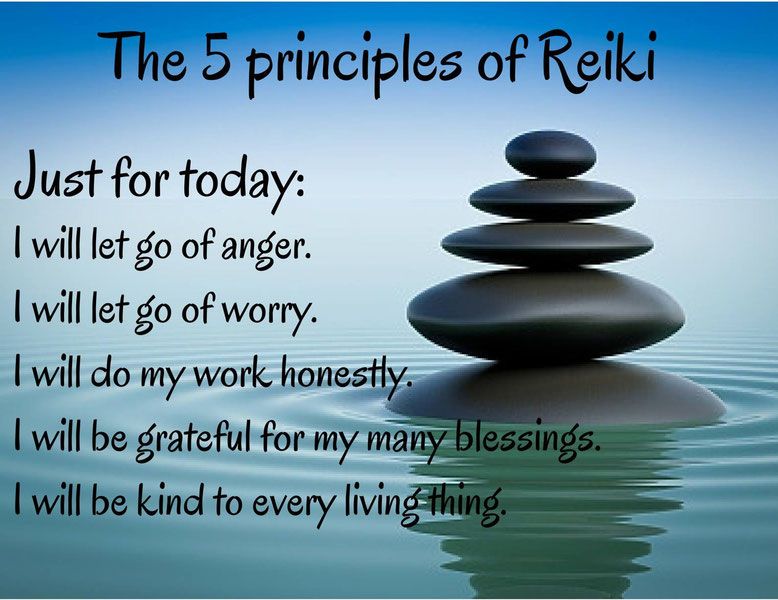
Reiki is a healing tradition that is not tied to any religion or culture. Passed down from Master to student as an oral tradition, Reiki is accessible to anyone—both to receive and to learn.
The word Reiki translates to “universal life force energy.” Many cultures recognize this concept through terms like chi, qi, or prana. Reiki is believed to support the body’s natural ability to heal. A session often brings deep relaxation and may be experienced as warmth, coolness, tingling, or subtle energetic sensations.
A Scientific Perspective
Reiki, Therapeutic Touch, Polarity Therapy, and Qi Gong fall under the broader field of Energy Medicine. While research is still evolving, evidence continues to grow that these practices can influence the human body in measurable ways.
The Human Energy Field
The body produces an energetic field that can be detected by sensitive instruments such as electrocardiograms (ECG) and electroencephalograms (EEG). These tools measure electrical activity in the heart and brain, and disruptions in these fields can indicate illness.
Studies show that trained healers emit measurable energy from their hands—often stronger than that of non‑practitioners. Early research on Reiki suggests it may:
• Reduce pain
• Lower anxiety
• Decrease blood pressure
• Support wound healing
Although mainstream science has not yet fully explained how Reiki works, many people report profound emotional and physical benefits. Its subtle nature often supports long‑term well‑being, personal growth, and a deeper sense of connection.
What to Expect in a Reiki Session
During a session, you remain fully clothed and lie comfortably on a massage table. The practitioner places their hands lightly on or just above the body, focusing on energy centers known as chakras. Touch is optional and always based on your comfort.
A session typically lasts 30–60 minutes, with time before and after for questions and discussion.
Common experiences include:
• Deep relaxation
• Warmth, coolness, or tingling
• A sense of energy moving through the body
Afterward, many people feel thirsty or tired as the body integrates the experience. Gentle self‑care is encouraged.
How Reiki May Support You
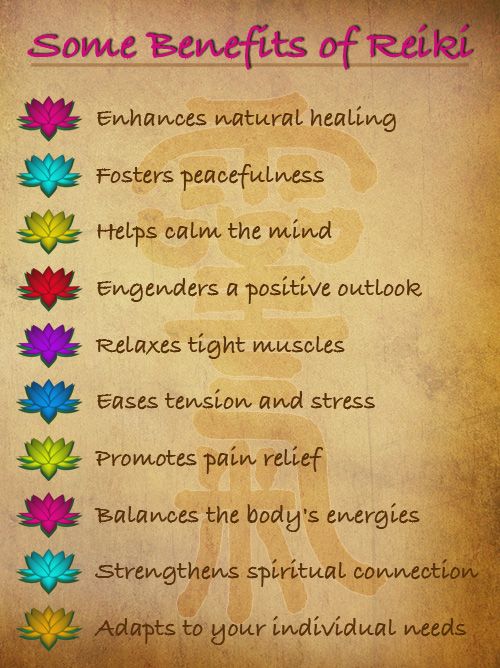
Reiki is most often used for relaxation and overall wellness. It is considered safe and non‑invasive, and practitioners believe it works where it is needed most.
People often report:
• Reduced stress
• Emotional balance
• Mental clarity
• A deeper sense of connection and self‑awareness
While Reiki practitioners do not claim to cure disease, Reiki may support the body’s natural healing processes on physical, emotional, mental, and spiritual levels.
For Further Information:
Further research is needed to help us understand Reiki’s clinical significance. There already is much research to show that Energy Medicine, focused intentions, and prayer have a measurable, positive effect on health, far beyond that of placebo. Reiki has been shown to promote wound healing, reduce pain, and improve quality of life.
Books
Energy Medicine: The Scientific Basis by James L. Oschman, Ph.D.
Spiritual Healing: Scientific Validation of a Healing Revolution by Daniel J. Benor, M.D.
Works by Larry Dossey, M.D,. and Candace Pert
Reiki Energy Medicine: Bringing Healing Touch into Home, Hospital, and Hospice - Written by nurses and their experience with Reiki in a clinical setting.
Essential Reiki by Diane Stein – contains much information specifically on Reiki. Read with an open mind, as the author also brings in her own spiritual beliefs, which are not necessary for, or a part of Reiki.
Magick of Reiki by Christopher Penczak – A new age type book about Reiki, taking it further as a complement with other energy work.
Hands of Light by Barbara Brennan – A practical manual for healing, written by a former physicist turned healer, not specifically about Reiki, but contains great details about the Human Energy Field and chakra system.
Hand of Life by Julie Motz – An amazing story of a healer who went from skeptical curiosity, to working in concert with physicians in the operating room.
This Information is gathered from:
Healing Hands of Charleston, SC @ http://www.charlestonhealinghands.com/reiki.htm
Reiki.org
Christianreiki.org - Reiki is not Christian or non-Christian, but for everyone, no matter their faith or background.
*Disclaimer: The information on this page is informational in nature and is not intended to treat, diagnose, or cure disease. Reiki is not a replacement for the care of your doctor or other health professional.
Cancer & Massage
Oncology massage adapts massage techniques to safely support individuals affected by cancer or its treatments. An oncology‑trained massage therapist has specialized education in:
• The side effects of cancer treatments
• Long‑term risks such as lymphedema
• Safe modifications for bodywork during and after treatment
Even after treatment ends, working with an oncology‑trained therapist remains important due to potential late effects.
Research shows that therapeutic touch can help ease:
• Pain
• Anxiety
• Fatigue
• Nausea
• Sleep disturbances
• Feelings of isolation
Modalities such as massage, sound therapy, reflexology, and Reiki may contribute to improved well‑being and support the recovery process.
Cancer, Surgery and . . . Reiki
By Kathie Lipinski, R.N.
Everyone knows someone who has experienced cancer. Most people have had to undergo surgery at least one time in their lives. In this article, I would like to share a different way to go through the experience of cancer and, or, surgery.
Both cancer and surgery (and even just the thought of them) can evoke feelings of fear . . . fear of death, fear of disfigurement, and fear of the loss of the lifestyle that one is currently living. The knowledge of having to undergo surgery, or receiving a diagnosis of cancer, is a total experience that involves feelings, thoughts, physical sensations, as well as questioning of one’s connection to a higher power.
The western medical way is to treat the symptoms or “cut out” the problem. These solutions put the body further out of balance because the body has to adjust to the new medicine and its side effects, or the removal of a part of the body thus changing the way it functions. The “cure” often creates more problems for the person to deal with then what they were first experiencing. For example, chemotherapy or radiation treatments are necessary poisons to the body and create their own miseries.
A different way to approach the experience of surgery or a cancer diagnosis and treatment is to consider the use of Reiki. As an ancient eastern healing technique, Reiki works to put the body back into balance. It works on the physical, emotional, mental and spiritual realms of each experience. Reiki can calm the emotions, decrease or remove physical pain, calm the anxious and chattering mind and help one to reconnect with their spirituality. It also helps to cleanse the body of toxins and speed up and strengthen the body’s ability to heal itself. It can make the experience of chemotherapy, radiation, or surgery, more tolerable.
In my private practice I see many people with cancer: in the early stages, before surgery, during chemotherapy or radiation treatment, and after surgery. I also see people who are preparing for different types of surgery.
Several women have come to me in “preparing” for a hysterectomy with hopes of making it a better experience. How this works is that a person comes for several Reiki treatments before surgery. This puts the body in the best shape. It is like a cleansing or strengthening of the system before the “injury” of surgery.
People that have had “pre-op” Reiki treatments, have found that they have less pain, minimal blood loss during the surgery, and are up on their feet soon after surgery.
They also experience little or no pain. They then continue with Reiki treatments for several weeks after surgery, which speeds up and supports the healing process. On their follow-up doctors’ visits, their physicians often comment “how fast you healed. Whatever you did, keep it up.” The people I have worked with that are currently undergoing chemotherapy, or radiation treatment, have told me that the Reiki treatments help them feel better.
Reiki can help release the toxins of their treatment and lessen their discomfort. Reiki can also calm their emotions, help them to deal with the fatigue, and strengthen them so that they can “keep on keeping on” during the difficult time. Some people have even told me that after a Reiki treatment, the nausea and vomiting is less. A Reiki treatment is also good for the caregiver or support person. Reiki can help them stay strong for their loved ones.
The effect that energy healing can have on a person undergoing heart surgery or radical lifesaving procedures, was written about in the book “Hands of Life” by Julie Motz. Ms. Motz is an energy healer that has worked in the Operating Room in Columbia Presbyterian Hospital in New York City with Dr. Metmet Oz, a heart surgeon. They were first written up in the New York Times in August of 1995, for the extraordinary “synthesis of high-tech medicine and ancient healing wisdom.”
In the book, Ms. Motz offers the prospective of how “totally unprepared the body seems to be for what is happening to it.” And, “no one has thanked the body, either in parts or as a whole, for its courage in undergoing this ordeal.” This is another way to look at the experience. So, if you are about to undergo surgery, or are preparing for the treatment of cancer, think about your body. How can you strengthen it, support it, and help it heal from the upcoming experience? Why not think about the ancient healing practice known as Reiki? Your body, your mind, and your spirit, will thank you for loving it enough to support it through the process.
Kathie Lipinski is a Center Licensed Reiki Master, and a registered nurse. She currently resides in Louisville, Kentucky
This Article, Cancer, Surgery and . . . Reiki is from:
|
|
|
|
The International Center for Reiki Training
|

| Day | Availability |
|---|---|
| Sunday | By Appointment Only |
| Monday | By Appointment Only |
| Tuesday | By Appointment Only |
| Wednesday | By Appointment Only |
| Thursday | By Appointment Only |
| Friday | By Appointment Only |
| Saturday | By Appointment Only |